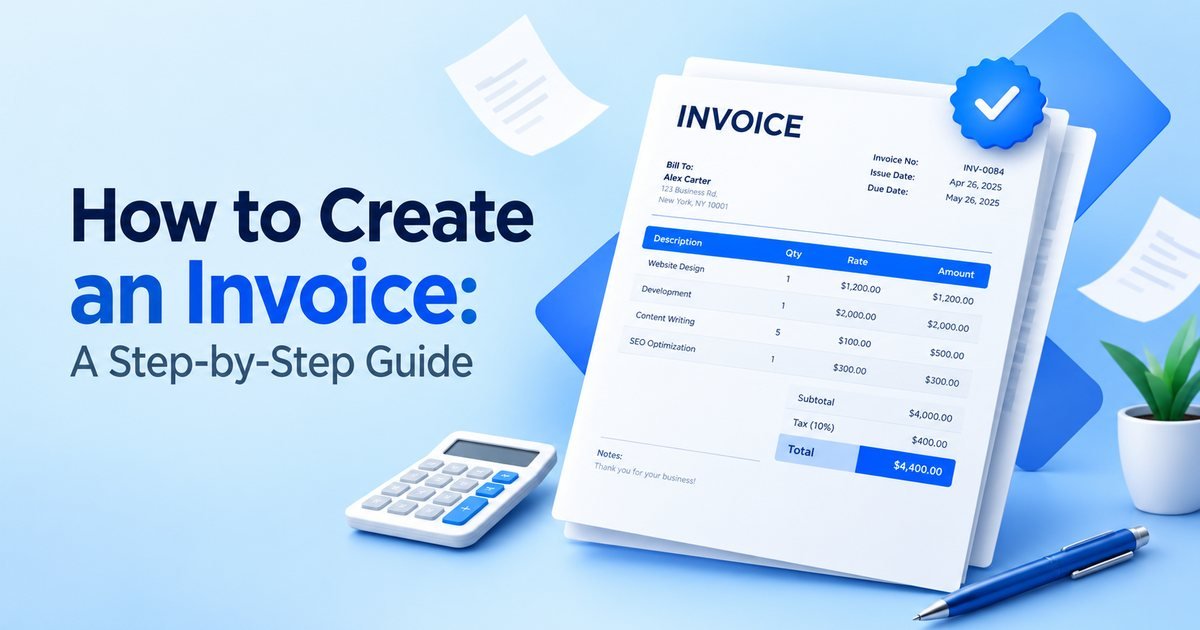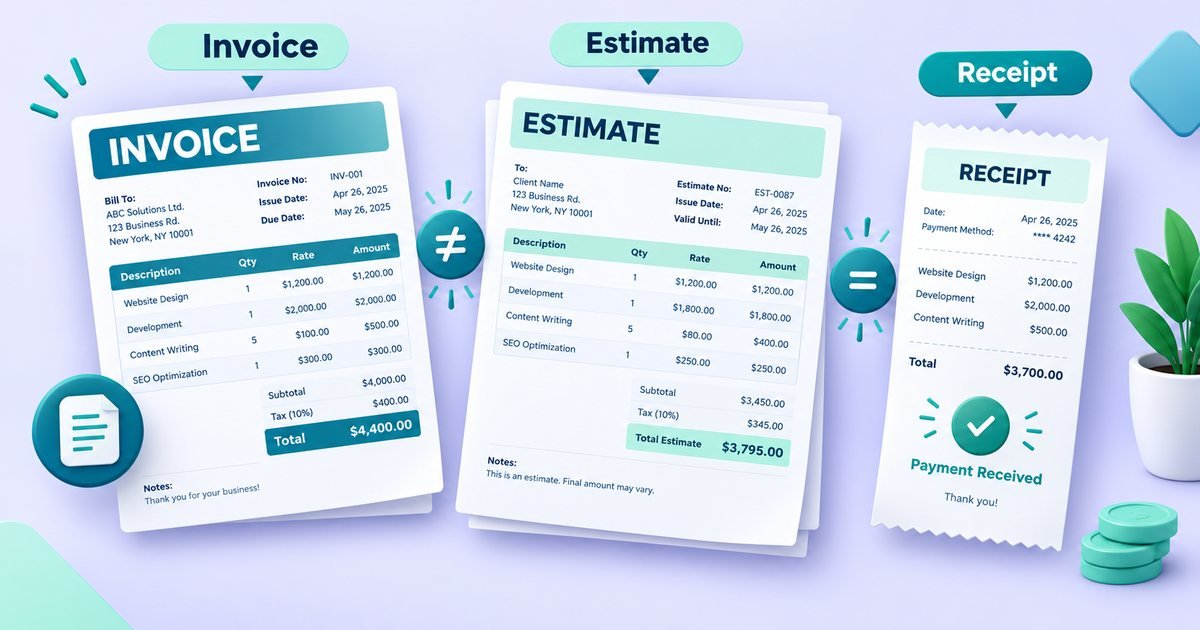
Sometimes an invoice has to be reduced after it has been sent. Goods come back damaged, a price was entered wrongly, or you agree a discount after the fact. The tidy way to handle it is a credit note: a document that formally reduces the amount a customer owes. This guide explains what one is, what it should contain and when you need it.
What a credit note is
A credit note is issued by the seller to reduce, or cancel, an invoice that has already been sent. It refers to the original invoice, states what is being credited and why, and shows the amount. The customer can then either deduct it from what they owe or, if they have already paid, use it as credit against a future purchase or receive a refund.
When you would issue one
Typical reasons include returned goods, damaged or faulty items, a pricing or quantity error on the invoice, a discount or rebate agreed afterwards, an order cancelled after invoicing, or services not delivered in full. The common thread is that the invoice was correct at the time, or incorrect, and the amount needs to change.
Why not just edit the invoice?
Once an invoice has been sent, and especially once it has been recorded in the customer's books and your own, quietly changing or deleting it creates a mismatch. In many countries, a tax invoice that has been issued should be corrected with a credit note rather than altered, and the correction has to appear in your records. The rules vary, so check what your tax authority expects, but the principle is a good habit anywhere: keep the original, and document the change.
What to put on a credit note
- The word "Credit note" clearly in the title.
- Its own unique number, such as CN-0001, separate from your invoice numbers.
- The date it was issued.
- The number and date of the invoice it relates to.
- Your details and the customer's details.
- The items or amounts being credited, with the tax adjusted accordingly.
- The reason for the credit.
A worked example
Invoice INV-0042 is for items totalling 1,200 plus 20% tax, which is 1,440. The customer returns goods worth 300 before tax. Tax on those goods is 60, so the credit note is for 360. After the credit, the customer owes 1,440 − 360 = 1,080. If they have already paid 1,440, you either refund 360 or leave it as credit towards their next order, whichever you agreed.
Partial or full
A credit note can cover part of an invoice, as above, or all of it. When an invoice is wrong from start to finish, the cleanest approach is to credit the whole amount and then issue a new, correct invoice with its own number. It keeps the paper trail honest.
Credit notes and debit notes
A debit note does the opposite: it increases the amount owed, for example when you undercharged. Some businesses simply issue an additional invoice instead. Which approach is used depends on your country and your accounting software, so ask your accountant if you are unsure.
Credit notes in your accounts
A credit note reduces your sales for the period, and it reduces the tax you charged on them. Record it in the period you issue it, and link it to the original invoice so the books show both. If stock is returned, update your inventory as well.
Mistakes to avoid
The most frequent are editing an issued invoice instead of crediting it, leaving out the reference to the original invoice, forgetting to adjust the tax, refunding money without any document to back it up, and using the same number series as invoices, which causes confusion. A short, clear credit note takes a few minutes and saves much longer later.
What to tell the customer
Send the credit note with a short, plain message. Something like: "Hi Sam, I have attached credit note CN-0007 for 360 relating to invoice INV-0042, for the returned items. The balance on that invoice is now 1,080. Let me know if you would like the difference refunded or kept as credit." Being specific about the amounts and the options avoids a second round of questions.
Refund or credit?
When a customer has already paid, you have two choices. A refund returns the money, and the credit note supports it as the record of why. Leaving the amount as credit keeps it for their next order. Some customers prefer one, some the other, and in some cases consumer law gives them a right to a refund, so do not assume. Whatever you agree, write it down.
Keeping the numbering tidy
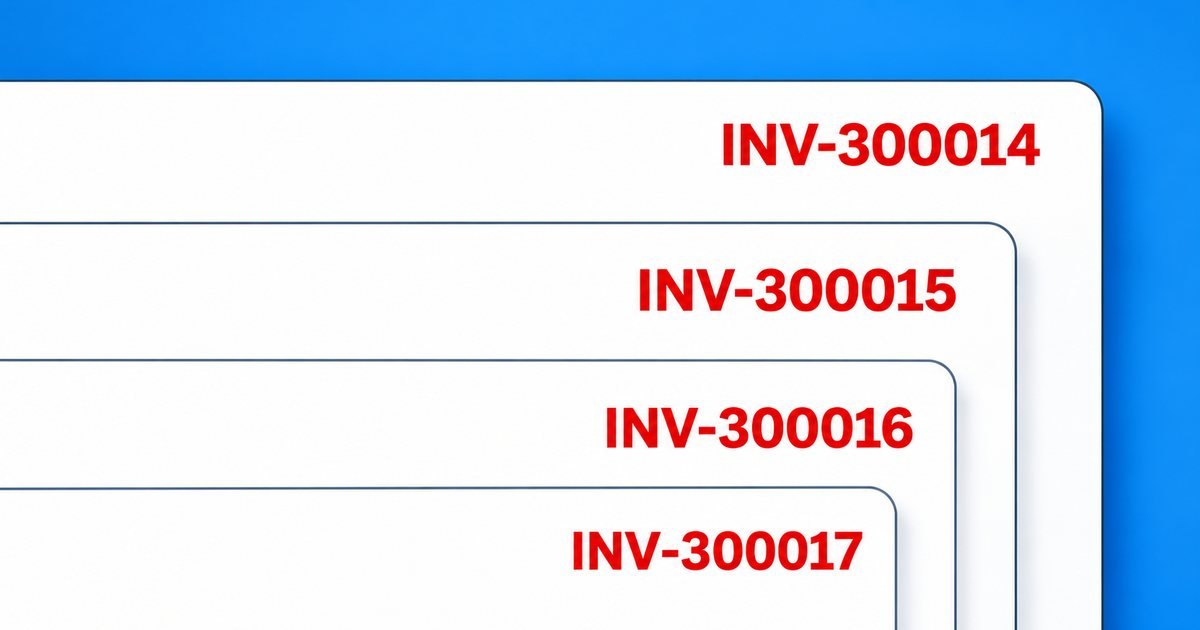
Credit notes should follow their own numbered sequence, for example CN-0001 onwards, so that the series has no gaps and cannot be confused with invoices. If you cancel a credit note, keep it on file and issue a new one rather than reusing the number. Our invoice number guide explains the reasoning, which applies equally here.
Making one with our tool
Our free invoice generator has a Title field, so you can change the heading to "Credit note", enter the original invoice number in the notes, and list the credited items. The tool shows amounts as positive figures, so say in the notes that the amounts are credited to the customer's account. This guide is general information, not tax or legal advice.