A late fee is an extra charge added to an invoice that is not paid by its due date. Used well, it encourages on-time payment and covers the cost of waiting. Used badly, it can damage a client relationship or even fall foul of local rules. This guide explains how late fees work and how to set them fairly.
What is an invoice late fee?
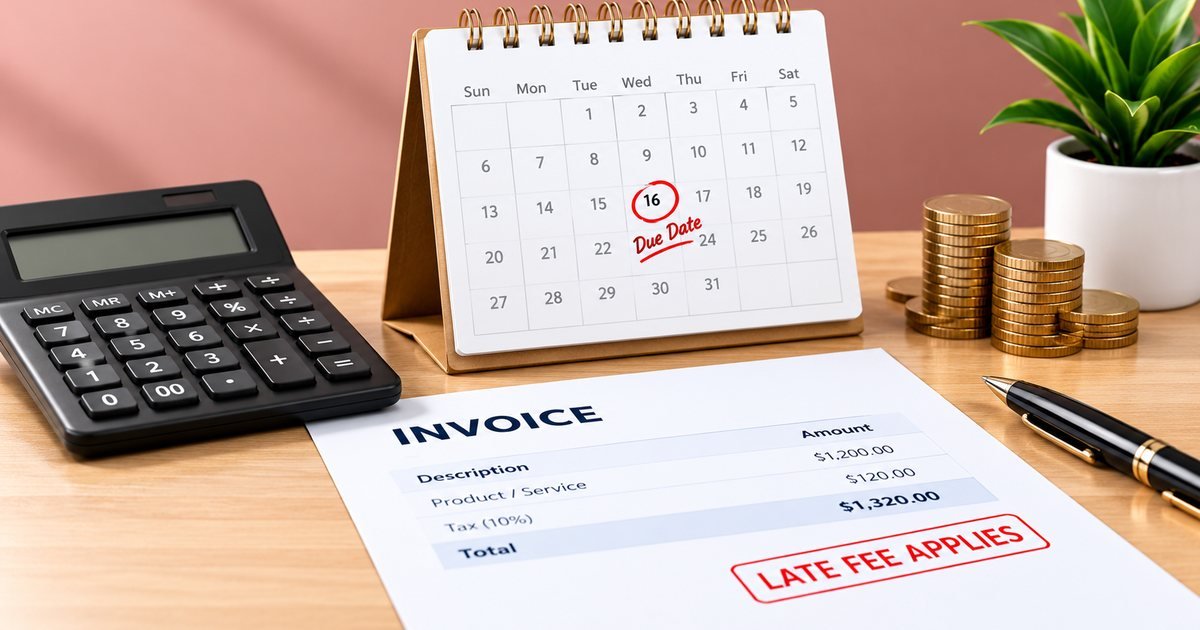
A late fee is a penalty or interest charge that applies when payment arrives after the due date. It can be a percentage of the overdue amount, a flat amount, or a combination. It must be agreed in advance, ideally in your contract or quote and repeated on the invoice, not introduced after the invoice becomes late.
Check the rules where you work
Rules about late fees and interest differ by country, region and type of customer. Some places allow you to charge what you and the customer agreed, while others set limits or provide statutory interest on late business payments. Consumer customers are often protected more strongly than business customers. This guide is general information, not legal advice, so check local rules or ask a professional before adding a fee.
Common types of late fees
- Percentage per month: for example 1.5% per month on the overdue balance. This is the most common form.
- Flat fee: a fixed amount, such as 25, added once when an invoice becomes overdue. It is simple, but it does not grow with the size of the invoice.
- Fee plus interest: a small flat fee when the invoice is late, followed by interest each month until it is paid.
- Fee after a grace period: the fee starts only after a set number of days, which feels fairer to clients who pay a little late.
How to calculate a percentage late fee
Multiply the overdue balance by the monthly rate. For an unpaid balance of 1,000 and a rate of 1.5% per month, the fee for one month is 15. If it stays unpaid for three months and interest is simple, the fee is 45. State clearly whether the rate is simple or compounding, and how part of a month is treated.
How to word a late fee clause
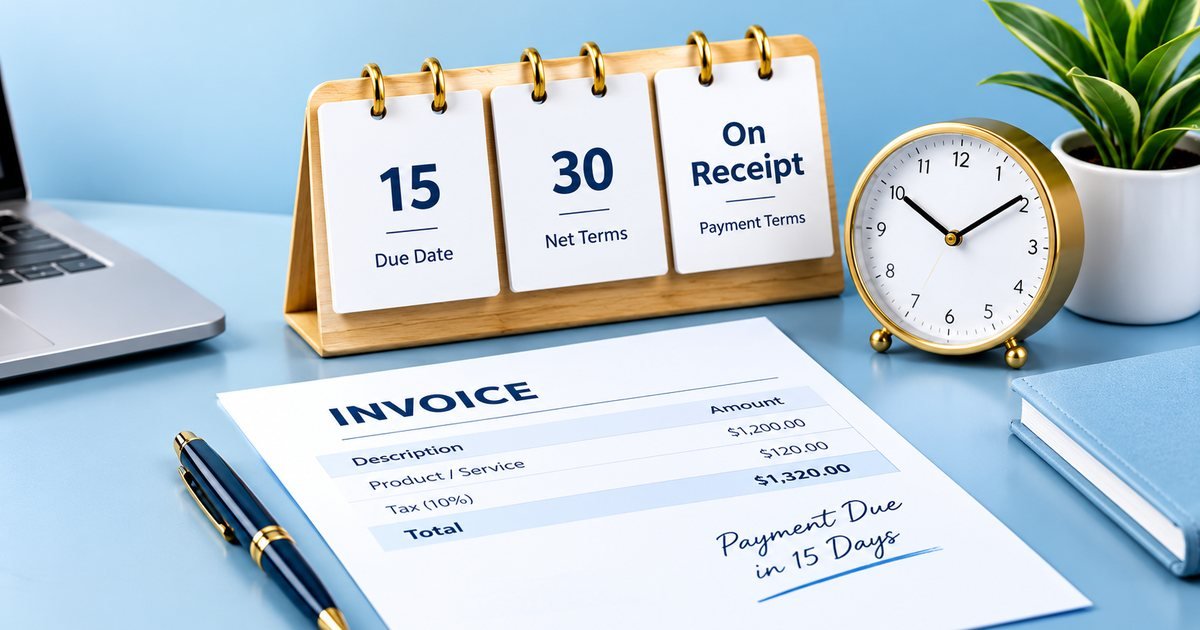
Keep the wording short and specific. For example: "Payment is due within 30 days of the invoice date. A late fee of 1.5% of the overdue balance will be charged for each month or part of a month that the invoice remains unpaid." Include it in your contract or quote, and repeat it in the terms on every invoice.
Best practices
- Agree it in advance. A fee a client never agreed to is hard to enforce and can cause disputes.
- Keep it reasonable. Very high fees can be unenforceable and can push clients away.
- Give a grace period. A few days of flexibility keeps relationships healthy.
- Be consistent. Apply the same rule to every client, and decide beforehand when you might waive a fee.
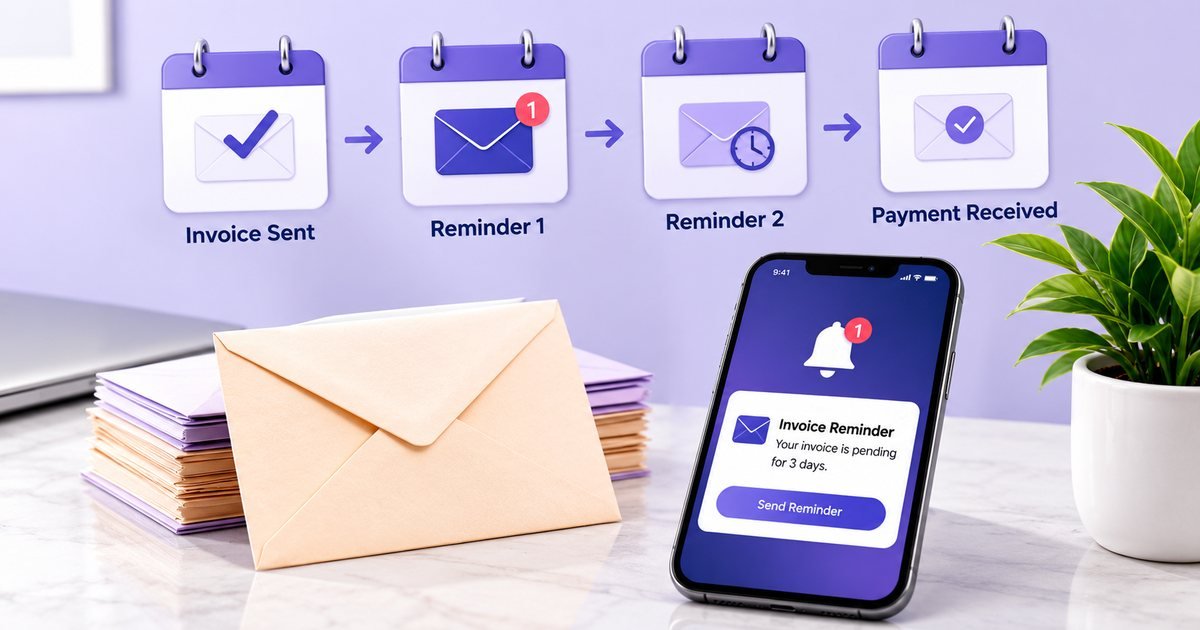
- Send a reminder first. Many late payments are mistakes, and a friendly message often resolves them without a fee.
- Show the fee clearly. Add it as a separate line on an updated invoice so the client can see how it was calculated.
Should you charge late fees at all?
It depends on your clients and your business. A late fee works as a deterrent for clients who treat your invoice as low priority. For a client with whom you have a strong relationship, you may prefer to use reminders and shorter payment terms and keep the fee for repeated delays. Many businesses use the clause as a safeguard and waive it for one-off slips.
Alternatives to late fees
- Shorter payment terms or payment on receipt.
- Deposits and milestone payments for larger projects.
- An early payment discount instead of a late penalty.
- Pausing work until overdue invoices are paid, if your contract allows it.
Add your terms to the invoice
In our free invoice generator, write your late payment terms in the Terms box so they print on the PDF, and set the due date clearly. The tool marks the invoice as overdue when the date passes. Always confirm what is allowed where you do business before you charge a late fee.