Payment terms tell your customer when and how they are expected to pay an invoice. Clear terms prevent arguments, make your cash flow easier to predict and give you a firm basis for following up. This guide explains the most common terms and how to choose between them.
What are invoice payment terms?
Payment terms are the conditions you set for paying an invoice: the deadline, any discount for paying early, and any penalty for paying late. They appear on the invoice, usually next to the due date, and should match what you agreed in a quote or contract.
The most common payment terms
- Due on receipt: payment is expected as soon as the invoice is received. It suits small jobs, consumers and new clients.
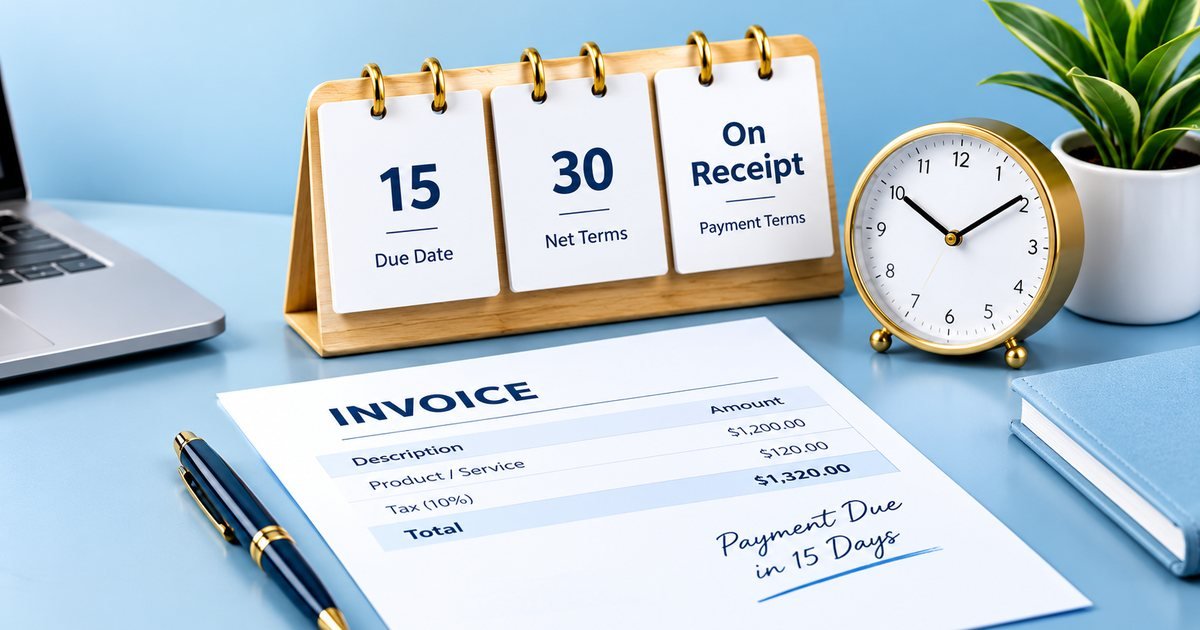
- Net 7, Net 15, Net 30: the full amount is due that many days after the invoice date. Net 30 is the most widely used term in business-to-business work. If you invoice on 10 October with Net 30 terms, payment is due on 9 November.
- Net 60 and Net 90: longer terms often requested by large companies. They improve the customer's cash flow at your expense, so price them in or negotiate.
- End of month (EOM): payment is due a set number of days after the end of the month in which the invoice was issued, for example Net 30 EOM.
- Early payment discount: a term such as 2/10 Net 30 means the customer may deduct 2% if they pay within 10 days, otherwise the full amount is due within 30 days.
- Deposit or advance payment: part of the price is paid before work starts, for example 50% upfront and 50% on delivery.
- Milestone payments: the price is split across stages of a project, with an invoice at each stage.
How to choose the right terms
There is no single best term. Consider these factors:
- Your cash flow: if you have bills to pay every month, shorter terms and deposits protect you.
- The client: a new or unknown client may need a deposit or payment on receipt, while a long-standing client may be offered Net 15 or Net 30.
- The size of the job: large projects are safer when split into milestones.
- Industry norms: if everyone in your field uses Net 30, much shorter terms may put clients off.
- Risk: the longer you wait, the greater the chance of a late payment or a dispute.
How to write late payment terms
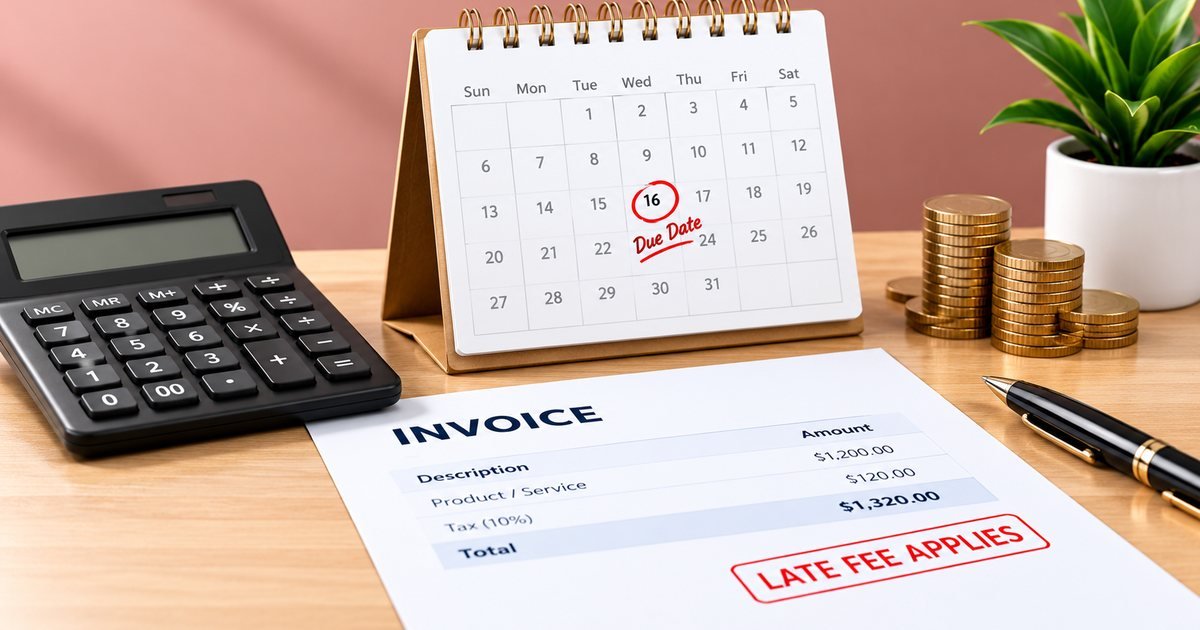
State what happens if the invoice is not paid on time, for example: "A late fee of 1.5% per month applies to overdue balances." Be specific about the rate and when it starts. Rules on late fees and interest differ by country and sometimes by type of customer, and some regions have statutory late-payment rules, so check what applies to you before you add a penalty. Agree it in your contract or quote as well as on the invoice.
Where to put payment terms on your invoice
Put the due date near the top where it is easy to see, and write the terms in a notes or terms section, for example "Payment due within 30 days of invoice date." Add how to pay: bank details, a payment link or other instructions. Repeating the due date in the email you send with the invoice also helps.
Tips to get paid faster
- Send the invoice promptly, as soon as the work is delivered or the milestone is reached.
- Show a clear due date, not only "Net 30".
- Make paying easy: offer bank transfer details or another payment method your client prefers.
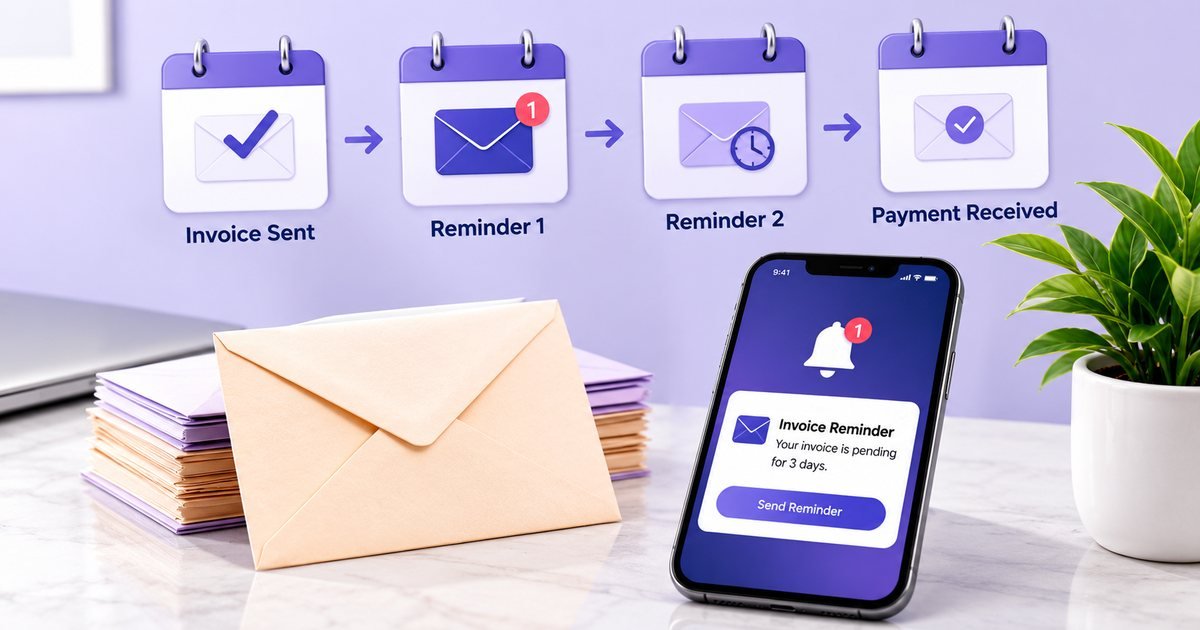
- Send a friendly reminder shortly before the due date and a firmer one soon after it.
- Ask for deposits on larger projects and for new clients.
- Consider a small early payment discount if it fits your margins.
Common mistakes to avoid
- Agreeing terms verbally and not writing them down.
- Leaving the due date blank.
- Offering long terms without allowing for them in your price.
- Adding late fees you never mentioned before the work began.
- Waiting weeks to send an invoice.
Set your terms in our invoice generator
In our free invoice generator, set the issue date and the due date, then write your terms in the Terms box so they print on the PDF. The tool also marks an invoice as overdue when the due date passes and a balance remains. This guide is general information, not legal advice, so check the rules where you do business.