Most late invoices are not late because the client is dodging you. They are late because the invoice went to the wrong person, needed a purchase order number nobody mentioned, or landed in an inbox on a day when the payment run had already closed. Getting paid faster is less about pressure and more about removing the small delays that stack up. Here is what tends to make the biggest difference.
Settle the money before the work starts
A surprising number of payment problems are really agreement problems. If the only thing the client has seen is a rough figure in a chat message, the invoice becomes the first time they look closely at the price, and that is when the questions start.
Put the essentials in a quote or a short agreement that the client actually replies to: what you will deliver, the total price, when you will invoice, how many days they have to pay, and what happens if the scope changes. It does not need to be a legal document. An email that says "Agreed, go ahead" is a far better starting point than silence.
Take a deposit, or bill in stages
For anything beyond a small job, ask for part of the money upfront. Take a website project priced at 3,000. You might invoice 40% (1,200) to book the work, 30% (900) when the design is approved, and the last 30% (900) at launch. The client never owes a large sum all at once, and you are never months into the work with nothing in the bank.
Some clients resist deposits, particularly larger companies with fixed procedures. If 40% is a hard sell, 25% still helps. If they truly cannot pay anything upfront, shorten the stages so that no single invoice is large. And when a brand-new client refuses any form of upfront payment on a big project, treat that as useful information.
Find out who pays you, and how
At kickoff, ask three questions: who approves invoices, whether you need a purchase order or reference number, and whether payments go out on set days. Many companies pay on a fixed cycle, for example once or twice a month, and an invoice that misses the cut-off simply waits for the next run. Knowing the date can turn a 45-day wait into 20.
Send the invoice to the person who processes it, usually an accounts address, and copy your day-to-day contact. An invoice that only reaches the project manager often sits there until they remember to forward it.
Make the invoice hard to misread
Clients stall when they cannot match an invoice to what they ordered. Compare two ways of describing the same work. "Consulting, 12 hours" leaves room for doubt. "Pricing review workshops, 12 hours at 85 per hour, 3 to 5 September" answers the question before anyone asks it.
Add the client's PO or reference number, show a real due date rather than only "Net 30", and keep the total and the balance due easy to find. If you are not sure what belongs on the page, our guide on how to create an invoice goes through each part.
Choose terms that fit the client
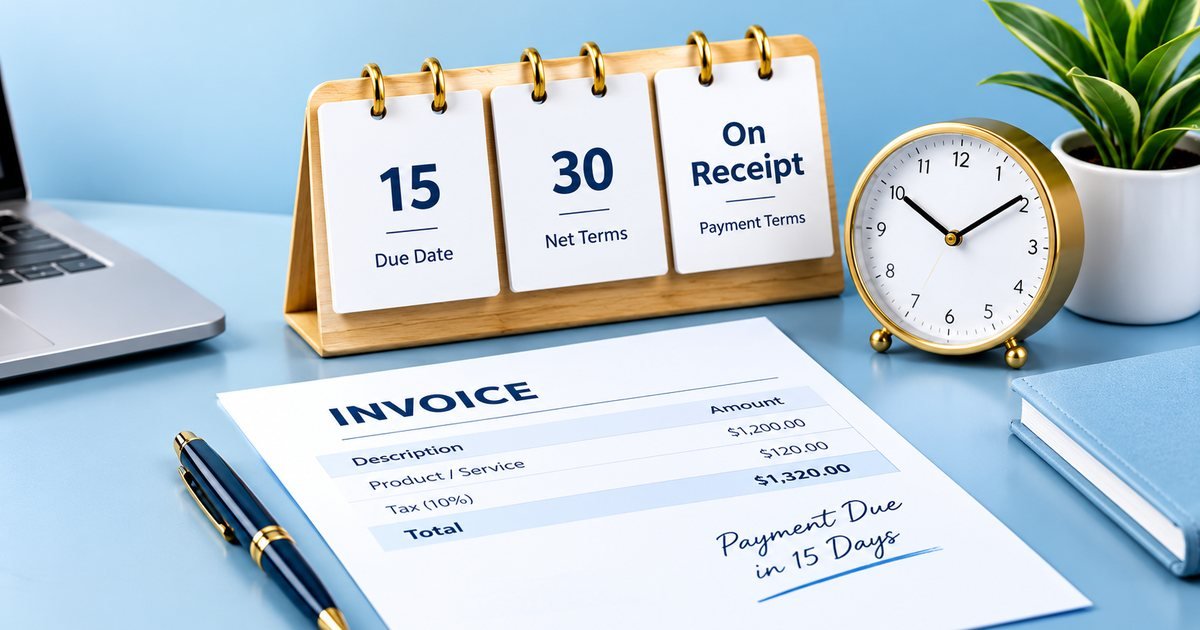
Shorter terms get paid sooner, but only if the client accepts them. Many businesses treat 30 days as normal and will push back on 7. A sensible approach is to ask for payment on receipt or Net 7 from individuals and small clients, and to accept Net 30 from companies that reliably pay on that schedule. Write the date on the invoice as well as the term. "Due 24 October" gets a quicker response than "Net 30". We go through the options in more detail in payment terms explained.
Remove every step between the client and the payment
If a client has to ask how to pay you, you have already lost days. Print your bank details on the invoice, ask them to use the invoice number as the payment reference, and add a payment link if you accept cards or online transfers.
For international clients, state the currency clearly, include the full account details their bank needs, and say who covers transfer fees. Send the invoice as a PDF. A screenshot, or a word processor file that reflows on someone's phone, looks careless and cannot be forwarded cleanly to an accounts team.
Follow up on a schedule, without apologising
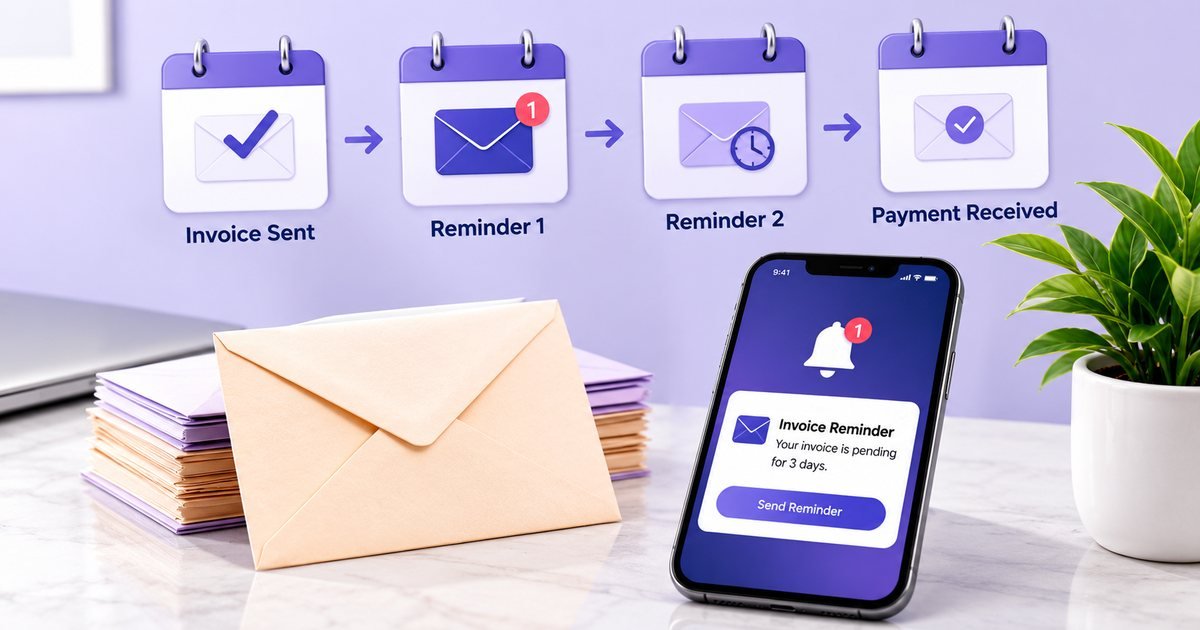
A reminder is not an accusation. Decide in advance when you will send them, for example three days before the due date, on the due date, and a week after it, and then send them whether or not it feels awkward. Keep the messages short and attach the invoice again. We have a full timeline and example wording in invoice follow-up.
Be careful with early payment discounts
A discount of 2% for paying within 10 days of a 30-day invoice sounds modest. Look at it from your side: you give up 2% to receive the money 20 days sooner, which works out to roughly 37% a year. That can make sense if you are short of cash and the alternative is expensive borrowing. If you are not, you are simply handing over margin. Use a discount only after you have worked out that you need the cash.
Keep late fees as a backstop, not a plan
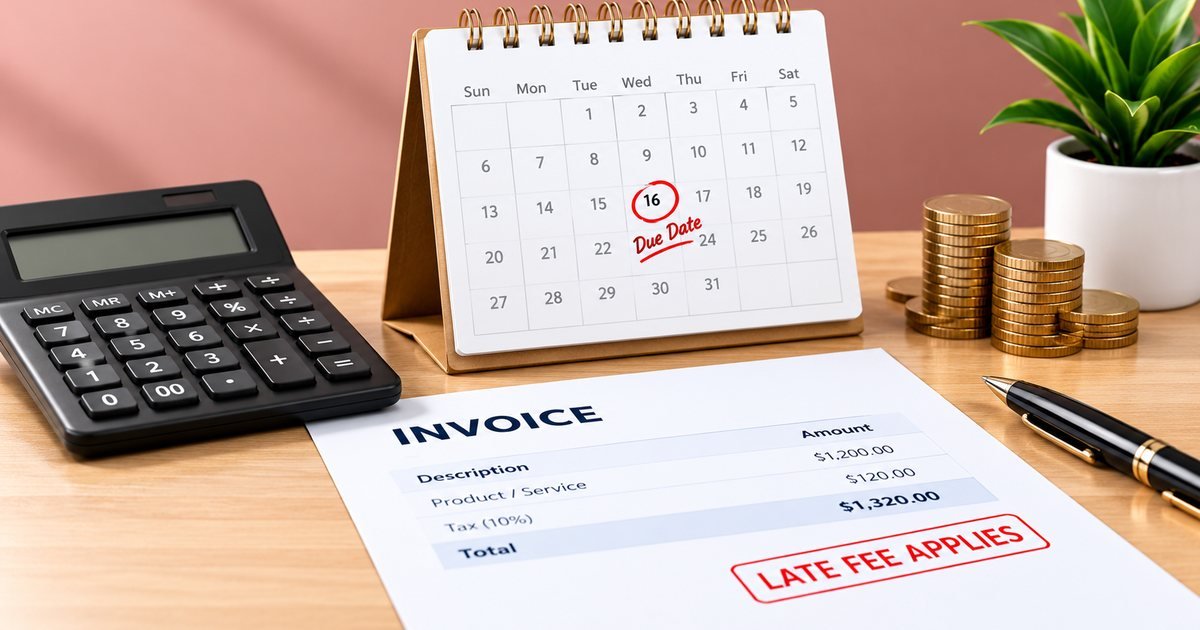
A clear late-fee clause agreed in advance can nudge a client who treats your invoice as low priority, but it works best in the background. Rules about fees and interest differ between countries and between business and consumer customers, so check what applies to you. There is more on this in invoice late fees.
Look at how long clients actually take
Terms say when you expect payment. Your records show when it really arrives. For each client, note the invoice date and the payment date for the last few invoices. If a client on Net 30 averages 41 days, plan your cash around 41. If one client is regularly 20 days late, you have a choice: change their terms, invoice more often, ask for deposits, or decide whether the work is worth the wait.
When a normally reliable client suddenly slows down, a short phone call usually tells you more than another email. Companies change processes, people leave, and sometimes a client is short of cash. It is better to hear that early.
A starting routine
If you want something simple to put in place this week, it looks like this: agree the price and schedule in writing, take a deposit on bigger jobs, ask who pays and when, invoice the day the work is delivered, include a real due date and your payment details, and put reminders in your calendar before you send the invoice.
Our free invoice generator includes the due date, terms and payment details, and marks an invoice as overdue once the date passes. It will not chase the client for you, but it makes the routine easy to follow.
This guide is general information, not legal or financial advice, and payment rules vary by country.