Letting customers pay online makes getting paid faster for you and easier for them. But the options differ in cost, speed and risk, and the cheapest method on paper is not always the best in practice. This guide compares the common ways to take payment and explains how to add them to your invoices.
The main methods
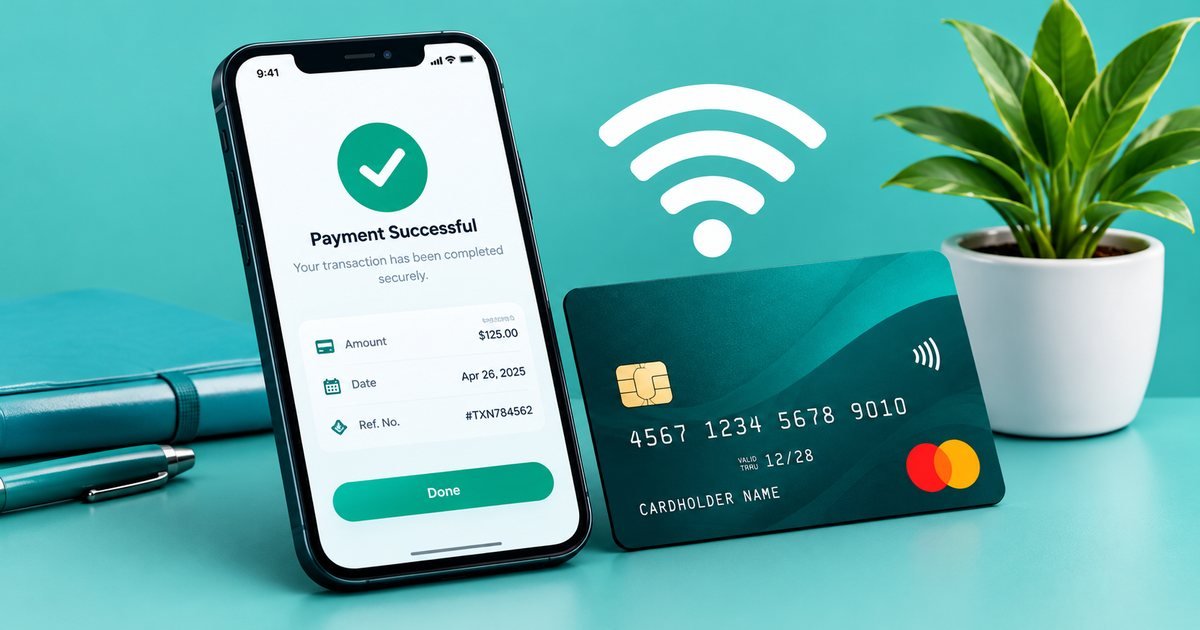
Bank transfer is usually the cheapest. The money goes straight to your account, but the customer has to type in your details, and matching a transfer to an invoice can take care. Card payments are quick and familiar. Direct debit lets you collect from a customer's account once they have authorised you, and suits regular billing. Digital wallets and payment links let customers pay in a couple of taps, often from a link on the invoice.
Know the fees
Card and wallet payments normally carry a fee, often a small percentage plus a fixed amount per transaction. The exact figures depend on your country, your provider and the type of card. As an illustration, a fee of 2.9% plus 0.30 on a 1,000 invoice is 29.30, so you receive 970.70. On a 40 invoice the same fee takes about 1.46, or 3.7%, because the fixed part weighs more on small amounts. Bank transfers are often free or cheap, and direct debit usually costs less than cards, so it is worth comparing before you decide what to offer.
Fees and pricing
You can absorb the fee as a business cost, build it into your prices or, in some places, pass it on as a surcharge. Rules about card surcharges differ widely and are restricted or banned in some countries, so check before you add one. Record the fees as an expense, since the amount that reaches your bank is less than the invoice total.
Speed of payment
A card payment is confirmed in seconds, but the money may take a few days to reach your bank, depending on your provider. Bank transfers can arrive the same day or take several days, depending on the banks and countries involved. Direct debits usually take longer to clear and can be reversed within a set period. Consider how quickly you need the money when you choose.
Payment links on invoices
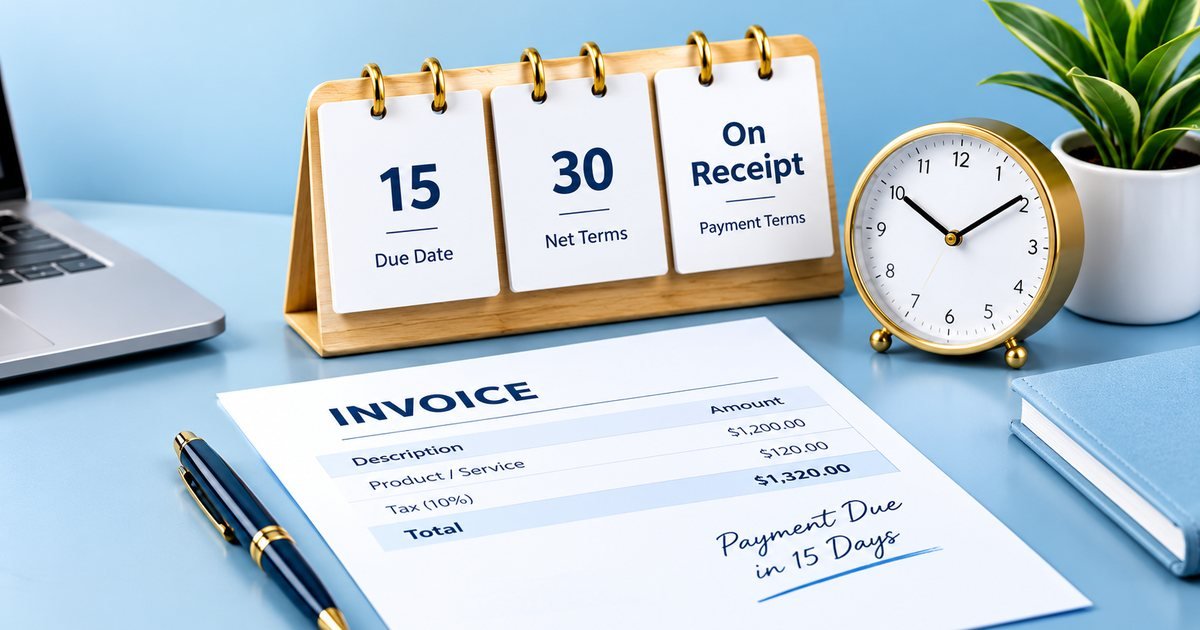
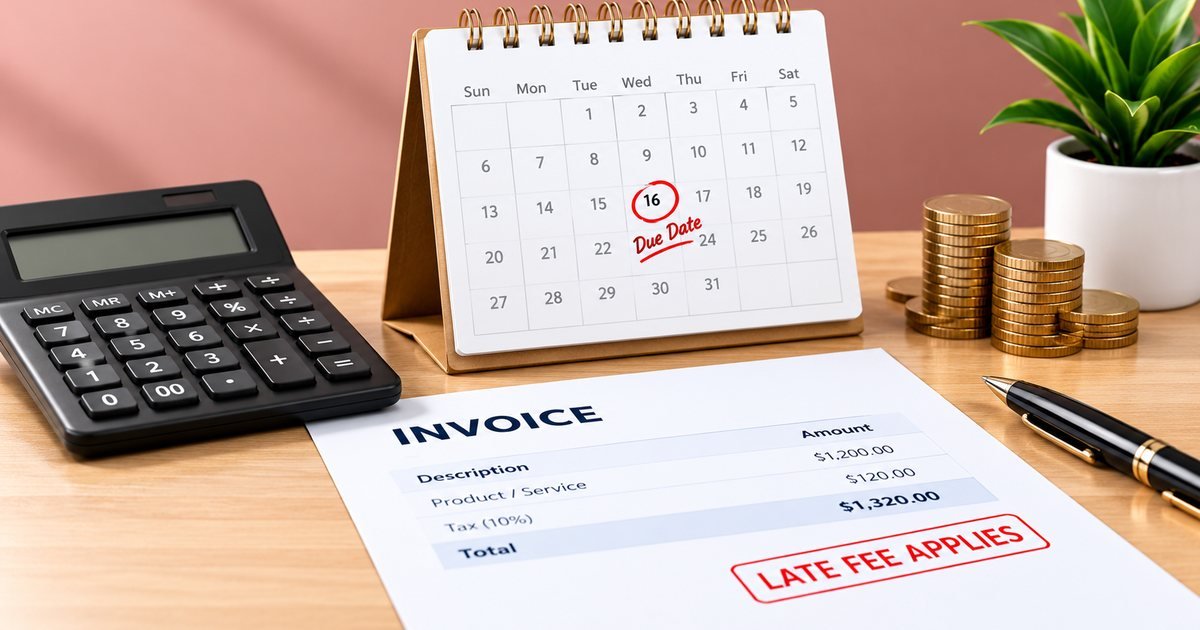
The simplest way to speed up payment is to put a payment link or button on the invoice. Most payment providers generate links for an exact amount. Add the link in the payment details or the notes of your invoice, together with bank details for customers who prefer to transfer. Our invoice guide covers where to place these.
Security
Never ask customers to send card numbers by email or message. Use a payment page hosted by a reputable provider, which handles the card details and security, so that you never store them. Be cautious with emails that claim to change bank details, since invoice fraud often involves altered account numbers. If a customer asks you to change payment details, check by phone.
Refunds and chargebacks
With card payments, a customer can dispute a charge with their bank, which may take the money back temporarily while the dispute is investigated. Keep good records: the invoice, proof of delivery and your messages. Respond to any dispute quickly and with evidence. Refunds should go back to the original payment method where possible, and are documented with a credit note. See credit notes explained.
International payments and currency
If you invoice abroad, state the currency and say who pays transfer or conversion fees. Providers may convert currency at a rate that includes a margin, and banks may add their own charges, so the amount that arrives can differ from what you expect. Some businesses invoice in the customer's currency to be convenient, and others in their own currency to avoid risk. Pick one and be clear.
Matching payments to invoices
Ask customers to use the invoice number as the payment reference. Payment links connected to an invoice do this automatically. A short routine of checking your account against your open invoices keeps your records accurate, so that no invoice is chased when it has actually been paid.
Choosing a provider
Compare fees, payout timing, supported countries and currencies, the quality of support, the tools for invoices and refunds, and what the contract says about holding funds and handling disputes. Read the terms carefully, and start with a small number of methods that suit your customers, rather than every option available.
A quick guide by type of business
Freelancers and consultants usually do well with bank transfer as the main method and a card payment link for clients who prefer it. Shops and online stores need card and wallet payments at checkout. Subscriptions and regular billing suit direct debit or a card saved with the customer's permission. Large business clients often prefer bank transfer, and may not accept cards at all. If you work internationally, compare transfer services that show their fees and exchange rates clearly. Whatever the mix, offering two or three well-chosen options is better than listing every possible method.
Set expectations in your terms
State the methods you accept and any fees in your payment terms. Our guide on payment terms explains how to write them. For more on getting paid sooner, see how to get paid faster. This guide is general information, not financial advice, and fees and rules vary by provider and country.