Plenty of profitable businesses run into trouble because the money is not in the bank when the bills fall due. Cash flow is simply the movement of money in and out, and keeping an eye on it is among the most useful habits a small business can build. You do not need special software, only a clear picture of what is coming and when.
Profit is not the same as cash
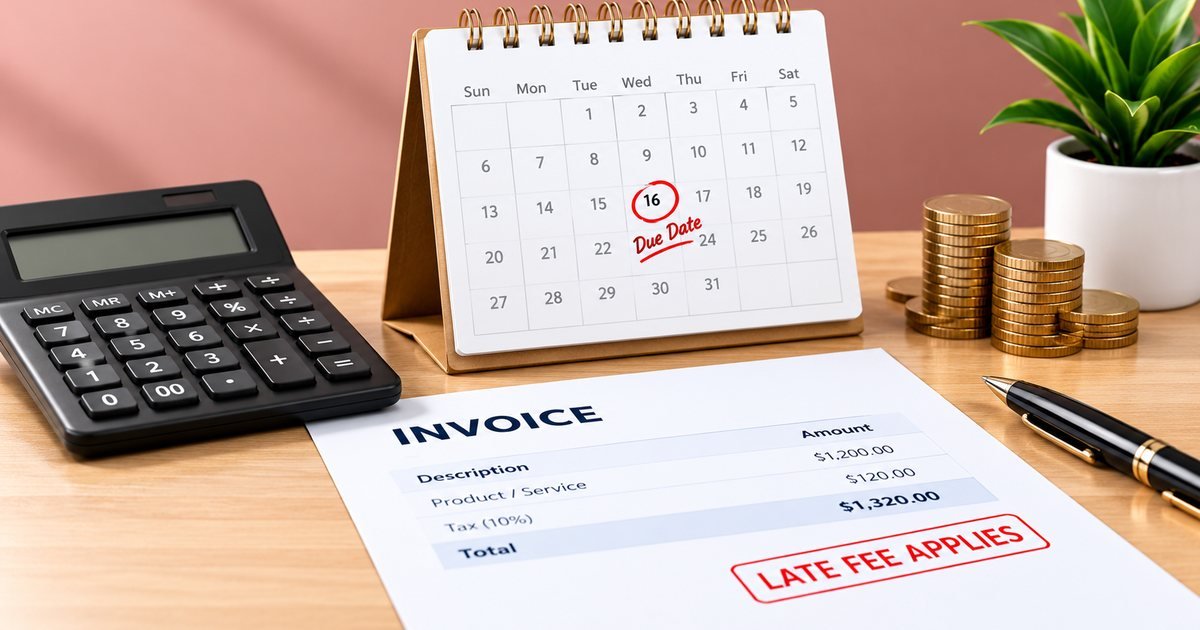
Profit counts income when you earn it and costs when you incur them. Cash counts the day the money actually moves. If you invoice 3,000 today and the client pays in 45 days, you have made a sale now and have no cash from it for six weeks. Meanwhile, rent and wages still go out on time. This gap between earning and receiving is where small businesses get squeezed.
A simple monthly picture
Start with a table of one month. Say you open with 4,000 in the bank. During the month, 9,500 arrives from customers and 7,200 goes out in costs. You close with 4,000 + 9,500 − 7,200 = 6,300. That looks healthy. Now suppose a client who owes 3,000 pays a month late. The same month closes at 3,300, almost half as much, even though your sales did not change. Seeing that difference in advance is what a cash flow forecast is for.
How to build a forecast
- List the money you expect to receive, by date, based on the invoices you have sent and their terms, plus work you expect to bill.
- List the money going out, by date: rent, wages, suppliers, subscriptions, loan repayments, taxes.
- Be realistic about timing. Use the date clients usually pay, not the due date on the invoice.
- Add the closing balance for each week or month, and look for dips below zero or below your comfort level.
- Update it regularly, replacing guesses with actual figures.
Looking 8 to 13 weeks ahead is a common horizon, because it is long enough to see problems coming and short enough to estimate with some confidence.
Know how long customers really take
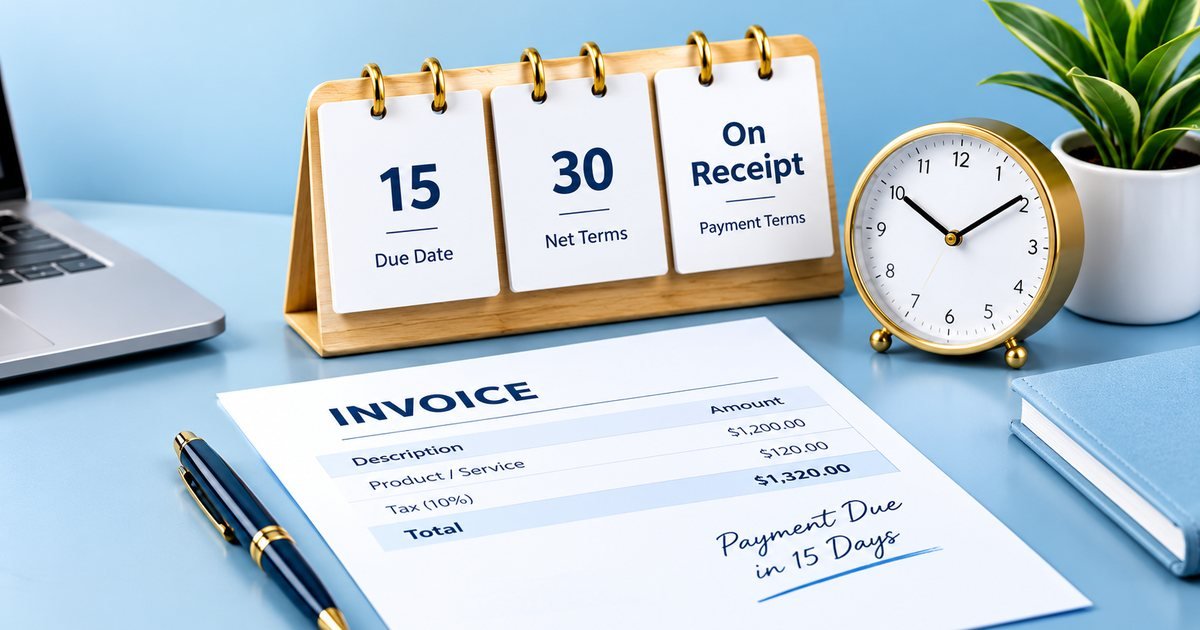
Your terms say 30 days, but your history shows when money actually arrives. Days sales outstanding gives you a single figure. Our guide on reducing late payments explains how to calculate it, and what to do when it is higher than your terms.
Ways to improve your cash position
- Invoice sooner. Send the invoice on the day work is delivered.
- Shorten your terms or ask for deposits on larger jobs. See deposits and milestone billing.
- Follow up promptly on overdue invoices, using a routine.
- Reduce stock tied up on shelves. Slow-moving stock holds cash hostage. See carrying costs.
- Negotiate longer terms with suppliers, where they are willing, so that bills fall due after you are paid.
- Spread large payments, such as annual subscriptions, over the year if the supplier allows.
Build a buffer
A cash cushion turns a late payment from a crisis into an inconvenience. Many small businesses aim for one to three months of essential costs, though the right figure depends on how steady your income is. Build it gradually by moving a small share of each payment into a separate account.
Plan for tax and seasons
Tax bills and seasonal slumps are predictable, so plan for them. Set money aside from each payment for tax, in a separate account if possible, and look at last year's quiet months to see when you will need extra cover. Rules and timings for tax differ by country, so ask your accountant for the dates that apply to you.
A quick cash check you can do today
You do not need a full forecast to get started. Write down your bank balance, the invoices you expect to be paid in the next 30 days, and the bills and tax payments due in the same period. If you have 6,300 now, expect 4,000 and owe 5,500, you should end the month with 4,800. If the number is lower than you are comfortable with, you have time to chase invoices or move a payment, instead of finding out when it is too late.
Using credit sensibly
An overdraft or a short-term credit line can bridge a gap while you wait for a client to pay. It is a bridge and not a plan. Interest and fees add to your costs, and relying on borrowing to cover a regular shortfall points to a deeper problem in pricing, terms or costs. Know what it costs before you use it.
Warning signs
Watch for invoices moving into older age groups, a growing share of sales on credit, delays in paying your own suppliers, or a bank balance that only just covers the next payroll. Any of these suggests it is time to look at the forecast and act early, while you still have choices.
Keep it simple and regular
A spreadsheet reviewed weekly beats a sophisticated system that nobody opens. If you want to look at growth too, try our revenue forecast calculator. This guide is general information, not financial advice.